

Before the Lessons Bloom: Growing a Classroom Where Every Child Belongs
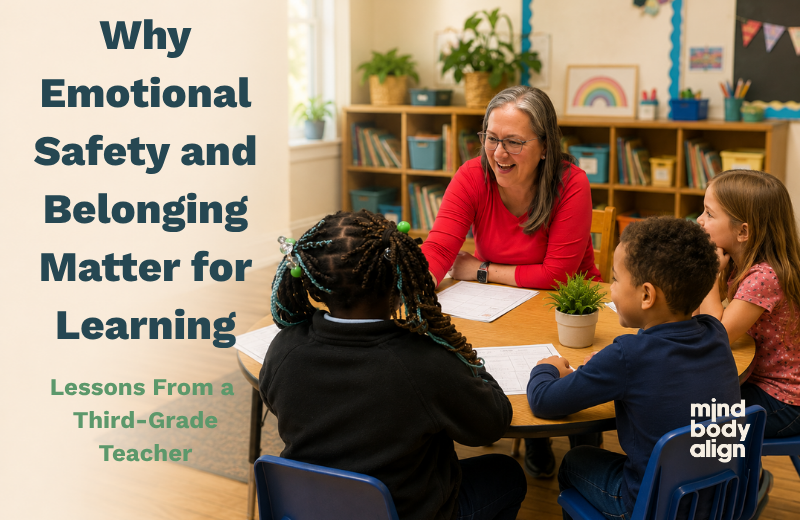
As a long time third-grade teacher, I learned something that no curriculum guide ever taught me. The most important lesson I taught each year wasn’t reading, writing, or math. It wasn’t even on my lesson plans. It was creating emotional safety and helping children believe they belonged in our classroom.
Every August, I would spend days organizing books, decorating bulletin boards, and preparing lessons. But after years in the classroom, I realized that children weren’t walking through my classroom door wondering what they were learning today. They were wondering whether they were safe, whether I would understand them, and whether they would make friends. The answers that they found those first few weeks shaped all the learning that followed.
Why Classroom Climate Comes Before Curriculum
As teachers, it’s easy to feel pressure to jump right into academics. We have standards to teach, assessments to prepare for, and a school year filled with distractions and interruptions. But I discovered that when I invested time during those first few weeks creating a classroom where children felt emotionally safe, the academic learning became stronger because students were ready to engage. Children learn best when they know they don’t have to earn belonging. They already have it.
How Classroom Experience Inspired Labyrinth Adventures
After spending years teaching third grade, I saw firsthand that many children weren’t struggling because they couldn’t learn. They were struggling because they didn’t yet have the tools to understand their emotions. My sister, Annamarie Fernyak, and I began talking about how we could teach these life skills in a way that felt natural, engaging, and meaningful for children.
Together, we created Labyrinth Adventures, a story-based whole child development curriculum that helps children build emotional safety through memorable characters and adventures. The stories invite children to discover these skills alongside characters like Tia, Lily, Tree, Oliver, Cleo, and Dwight. Each adventure gives children an opportunity to notice emotions, reflect, and build practical strategies they can use both in the classroom and beyond.
As a teacher, I wrote these stories based on the lessons I wished every child in my classroom could experience. That doesn’t happen through one big activity or an elaborate bulletin board display. It grows through many small moments every day. Greeting each child by name. Smiling when they walk through the door. Listening before correcting. Celebrating effort instead of perfection. Modeling what it looks like to make a mistake and recover from it. Those small moments become the emotional foundation for everything else.
Why Children Sometimes Need Calm Before They Need Answers
One of my favorite moments in the Labyrinth Adventures stories reminds me of countless moments I experienced in my own classroom. When Tia becomes overwhelmed searching for Dwight, Tree doesn’t immediately solve the problem for her. Instead, Tree gently encourages Tia to pause, notice her breathing, and become aware of what her body is telling her before deciding what to do next. That story is about something I learned as an elementary school classroom teacher. Children often don’t need us to rush in with the answer. They need us to help them slow down long enough to discover that they already have the ability to find the answer. That simple pause builds confidence and this is the pause that we are teaching our children. So many things change when they learn to pause before reacting.
How Teachers Can Model Calm and Emotional Regulation
One thing I loved most about teaching elementary students was watching how quickly they noticed the emotions of the adults around them. If I hurried, they hurried. If I became frustrated, the room often became more unsettled. But when I intentionally slowed my own pace, took a breath, and responded calmly, the classroom often followed. That’s one reason the Labyrinth Adventures curriculum includes simple emotion regulation strategies woven naturally into the stories. Whether children are noticing their five senses, practicing cloud breath, using Box Breathing, or taking a brief movement break, the goal isn’t to create a quiet classroom. It’s to help students reconnect with themselves before moving into the next learning experience. These brief moments don’t take away instructional time. They prepare students to make the most of it.
How Belonging Creates Emotional Safety in the Classroom
Another story that always makes me smile is when Lily loses her special compass. Instead of criticizing her for losing it, Tree and Oliver help Lily slow down, breathe, retrace her steps, and trust herself to solve the problem. That lesson isn’t really about finding a compass. It’s about what I wanted my students to know every single day. I want them to know that making a mistake doesn’t mean you’ve failed. It means you have another opportunity to learn. I found that when children felt safe enough to make mistakes, they became more willing to ask questions, ask for help, and keep trying when learning felt difficult. Those are the learners every teacher hopes to nurture.
What I Hope My Students Remember About Our Classroom
Years after leaving my classroom, I don’t expect my former students to remember every spelling word or every math lesson I taught. But I hope they remember how our classroom felt. I hope they remember that they were greeted with kindness. That their ideas mattered. Those mistakes were welcomed as part of learning. That they always had another chance. The first weeks of school aren’t simply about establishing routines, though those are very important and always at the top of my list. They’re about creating an atmosphere where children feel safe enough to grow.
Because before we teach reading…
Before we teach math…
Before we teach science…
We teach children something even more important.
“You belong here.”
And when children believe that, remarkable learning has room to grow.

Julie Braumberger Director of Education at Mind Body Align, co-authored Labyrinth Adventures and helped design its social-emotional curriculum. A certified K–8 educator with 20+ years of teaching experience, Julie now develops focus-building techniques to help students thrive. She created a widely respected school-based program to reduce stress and support emotional regulation. As a leader with SEL4OH, she regularly writes and speaks on key educational topics. Julie enjoys time with her family in Ohio, reading, walking the beach, and exploring new places.