

Why Classroom Setup Matters for Whole Child Development
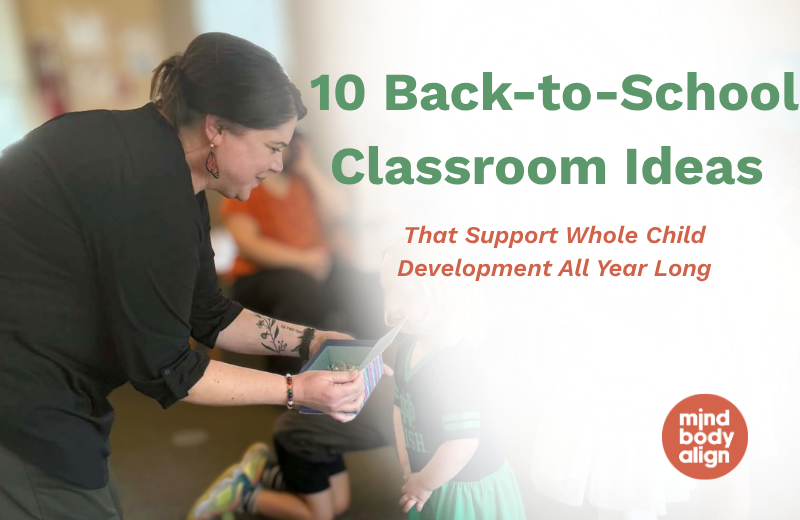
As the school year approaches, teachers are setting the stage for another successful year of learning. Amidst the hustle and bustle of lesson planning, classroom decorating, and syllabus updates, it’s easy to feel overwhelmed or just a little behind. That’s why I’d like to share 10 ways to create a more joyful, organized, and calming environment for both the teacher and their classroom.
1. Begin the School Year with Self-Compassion
Before diving into classroom preparations, take a moment to be aware of how you’re feeling. Set aside a few minutes each day to pause and breathe deeply. Notice your thoughts, emotions, and how your body feels. One deep, focused breath will not only reduce stress but will also set a positive example for your students.
Tip: Each morning, sit comfortably, close your eyes if that feels right, and take a few deep breaths, focusing on the sensation of the air entering and leaving your body. This moment of pause can help relax your nervous system and prepare you for the day ahead.
2. Design a Calm Classroom Environment
The physical layout of your classroom can significantly impact the atmosphere and learning environment. Arrange the furniture to create a sense of openness and calm. Resist the temptation to fill every space with color and words. Instead, create quiet areas where students can go if they need a moment to pause and reset.
Tip: Incorporate a “calm corner” in your classroom. This space can have comfortable seating, subdued visuals, and tools such as a sand timer or breathing ball. Keep the space simple and uncluttered and encourage students to use this space whenever they feel the need to reset and refocus.
3. Build Movement into Your Planning Day
Integrating purposeful movement into your daily routine can enhance your focus and overall well-being. Simple stretches can help release tension, improve circulation, support your lymphatic system, and bring you back to a state of focus and readiness.
Tip: Schedule short breaks throughout your classroom setup days for purposeful movement. I often do standing forward bends, shoulder rolls, and, believe it or not, squats to relieve tension. When I’m feeling especially overwhelmed, I lie on my back with my legs up the wall. These small breaks can help reduce stress, boost your energy, and bring you back to a place of joy as you prepare your classroom.
4. Use Breathing to Improve Focus and Clarity
Teach yourself simple breathing exercises for the busy back-to-school season. These exercises can help you stay patient, think more clearly, and approach each task with greater thoughtfulness as you prepare your classroom.
Tip: My favorite is the “4-7-8” breathing technique. Inhale quietly through your nose for a count of 4, hold your breath for a count of 7, and exhale completely through your mouth for a count of 8. Repeat this cycle three to four times whenever you feel overwhelmed. This technique can quickly return clarity and purposefulness to your mind.
5. Plan Lessons with Purpose
Infuse greater clarity and purposefulness into your lesson plans by incorporating moments of pause and reflection.
Tip: Start each lesson by asking yourself a few simple questions:
- What is the one thing I want my students to understand by the end of this lesson?
- How will I know they truly understand it?
This routine can help deepen reflection and provide greater clarity about what you value in the lesson and how you can best support student learning.
6. Teach Active Listening from Day One
Foster active listening and respectful communication by displaying a visual reminder on a bulletin board, classroom wall, or whiteboard. Teach students to listen to their peers without interrupting and to express their thoughts and feelings respectfully.
Tip: Rotate a few written reminders of the actions that make up active listening and respectful communication. Here are the prompts we use in our Labyrinth Adventures lessons on Mindful Listening.
- Hands raised to speak
- Eyes watching
- Ears listening
- Mouth waiting to talk
7. Build Reflection into Your Teaching Routine
At the end of each day, take a moment to reflect on what you accomplished and what you have yet to do. Notice the ways you honored your highest teacher self and the foundation you created for the learning that is to come.
Tip: Keep a journal where you jot down a few reflections each day. Consider questions like:
- What went well today, and why?
- What is one thing I can do tomorrow to support myself and my students?
- How did I create a classroom environment that reflects the teacher I want to be?
How Small Classroom Routines Stage Whole Child Development
Making time for thoughtful classroom planning can be incredibly rewarding. A few small changes to your routine and the classroom environment can create a calmer, more focused learning environment for both you and your students. As you prepare for the new school year, remember that taking care of your own well-being begins NOW and is the first step towards fostering a thoughtful and calm classroom where children are ready and able to learn.
Why Storybooks Belong in Every Back-to-School Classroom
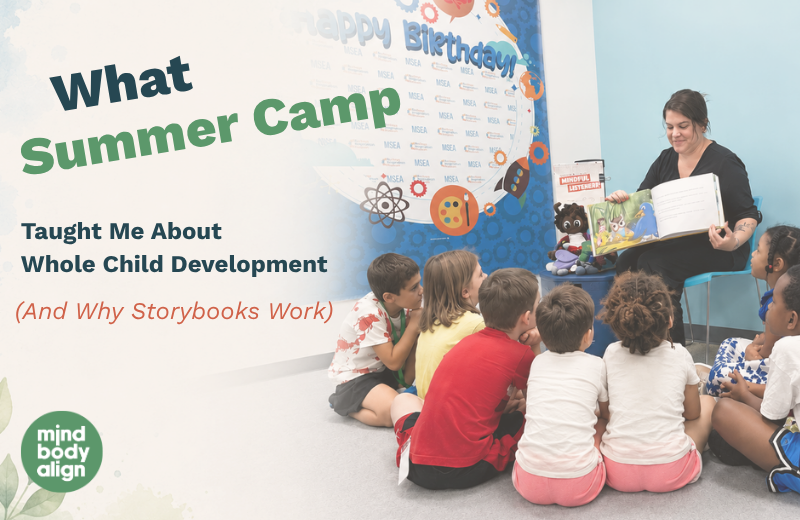
Storybooks provide children with a shared language for understanding emotions, relationships, problem-solving, and self-regulation. Beginning the school year with meaningful stories helps establish classroom expectations while supporting whole child development in a way children naturally understand.
Back-to-School Success Begins with Intentional Planning
By focusing on thoughtful planning and routines that encourage pausing and reflection, you can transform the back-to-school rush into a more peaceful and enjoyable experience. These simple strategies not only benefit your students but also support your own well-being as an educator. Here’s to a thoughtful and fulfilling school year ahead!
Continue the Journey
Whole child development happens through meaningful stories, intentional relationships, and everyday moments that help children grow.
Join our community of educators and receive practical classroom ideas, thoughtful articles, storybook activities, and whole child development resources delivered straight to your inbox.
Because helping children thrive isn’t just about one lesson, it’s about the journey we take together.

Julie Braumberger Director of Education at Mind Body Align, co-authored Labyrinth Adventures . A certified K–8 educator with 20+ years of teaching experience, Julie now develops focus-building techniques to help students thrive. She created a widely respected school-based program to reduce stress and support emotional regulation. As a leader with SEL4OH, she regularly writes and speaks on key educational topics. Julie enjoys time with her family in Ohio, reading, walking the beach, and exploring new places.