Labyrinth Adventures Grade K-1 Digital Support Materials
Supplemental Materials for All Lessons
Bookmark this page for easy access. If you have any questions regarding the materials or incorporating the practices into your day please email us. Click the storybook covers to be taken directly to video version of the storybook and the lesson specific materials.
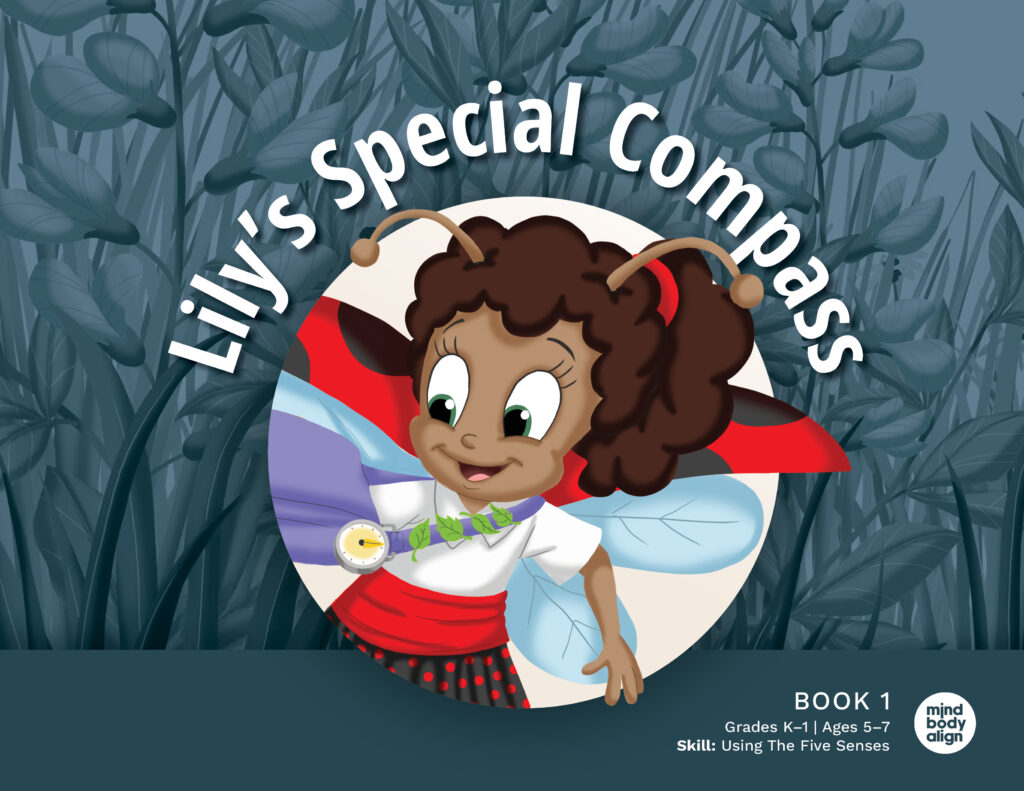
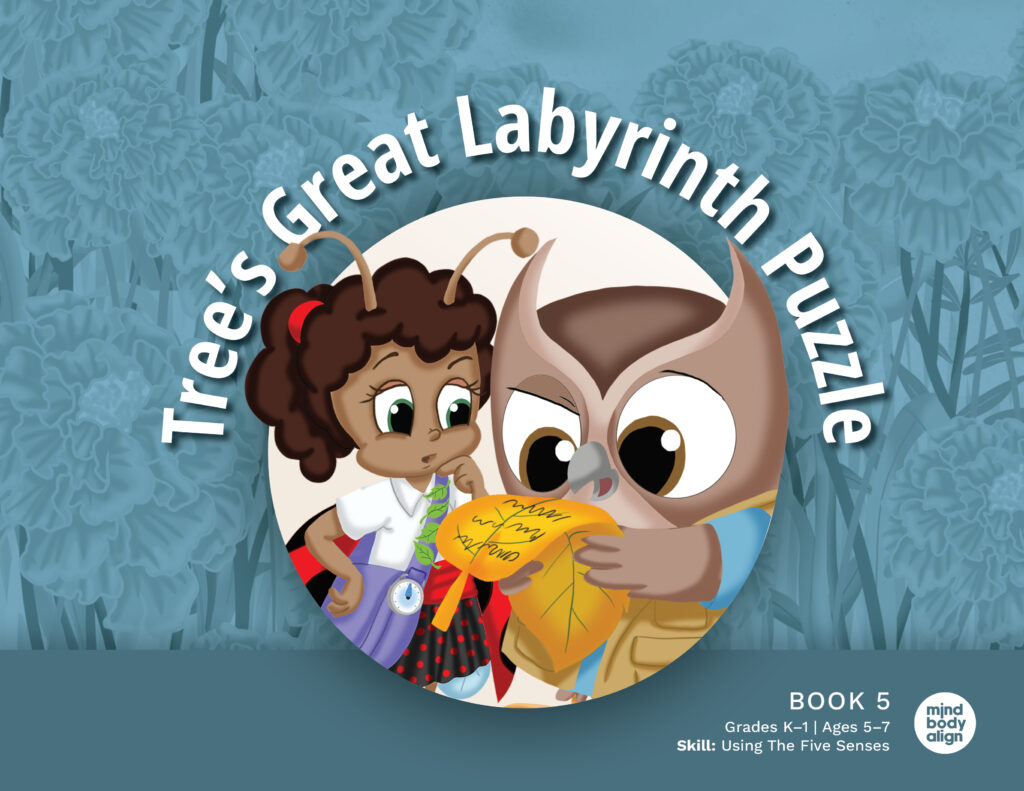
This lesson introduces students to the five senses—sight, hearing, smell, touch, and taste—through hands-on activities. Using a mystery box with sensory items, students explore each sense by observing, listening, smelling, touching, and tasting. They practice describing their experiences and reflect on how senses help them explore and solve problems, like Lily in the story. The lesson concludes with a fun challenge to use one sense at home and share their discoveries the next day.
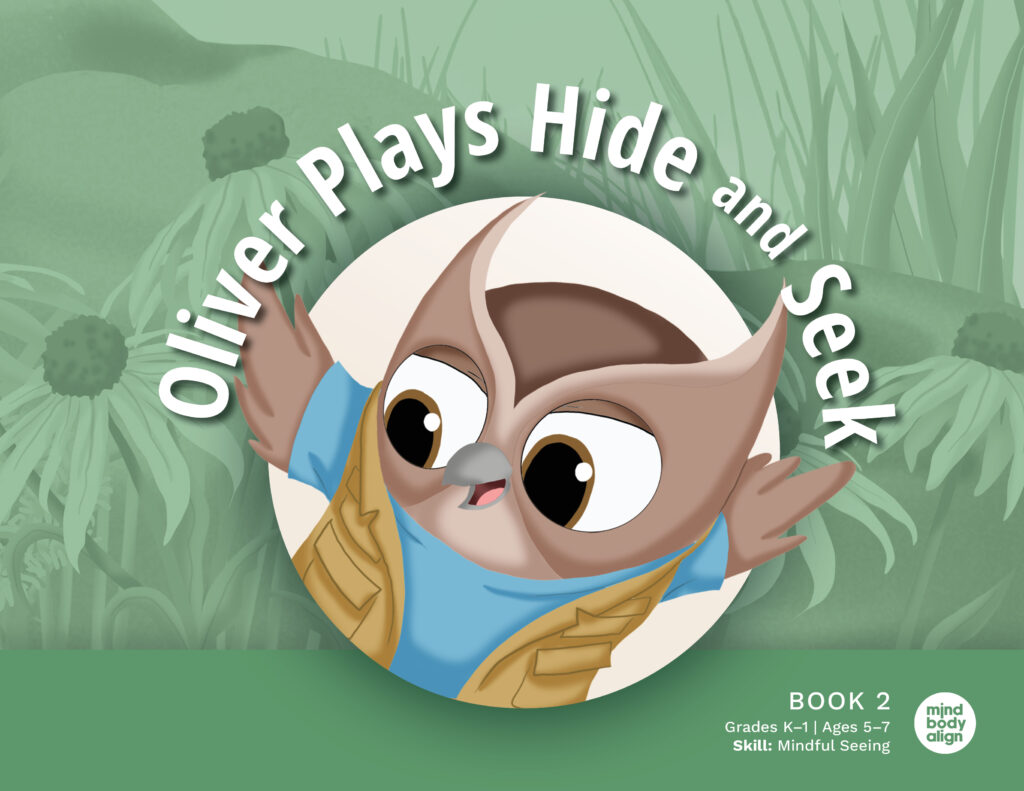
In this lesson, students practice their observation skills through hands-on activities and interactive games. They are introduced to mindful seeing with a fun “I Spy” game and read how Oliver uses this skill in a game of hide-and-seek with his friends. Students then practice mindful seeing to notice details in their surroundings, draw a picture of a focus object, and conclude by selecting or creating their own focus object to further explore this skill.
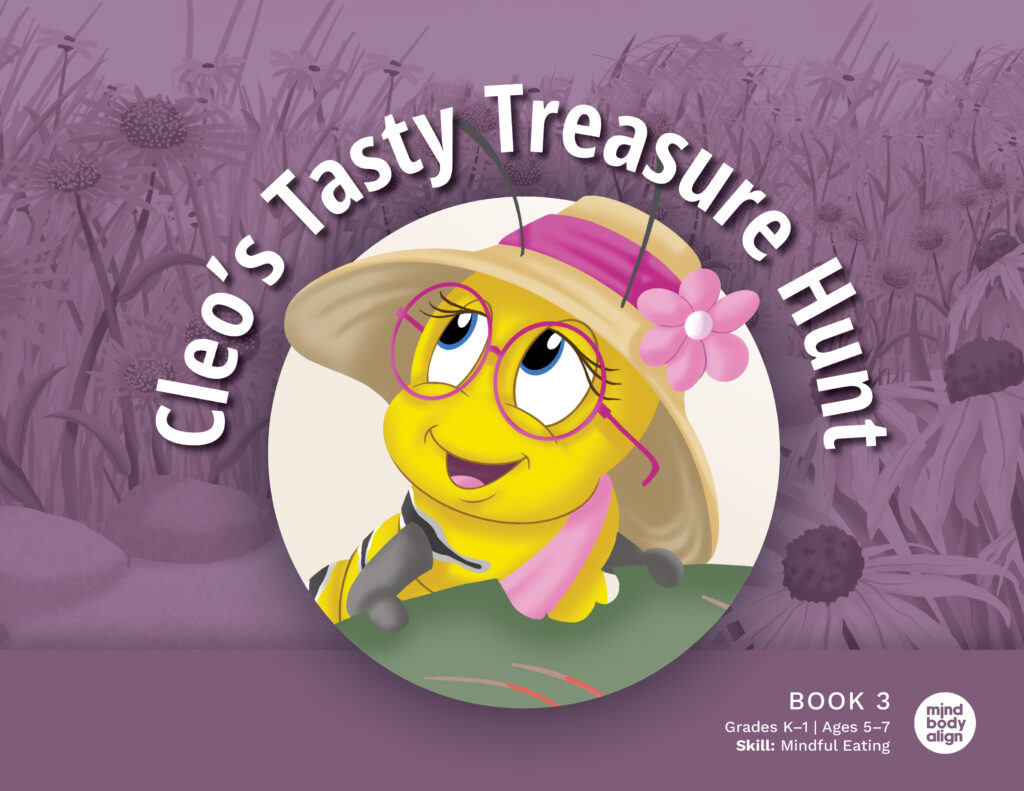
In this lesson, students explore the benefits of mindful eating through hands-on activities. Students are given a small healthy snack and they use all their senses—seeing, smelling, touching, listening, and finally, tasting—to mindfully enjoy the snack. They compare their emotions and their physical sensations before, during, and after eating. Like Cleo in the story, they practice teamwork to make a healthy snack. They are also encouraged to try new foods at home and share their experience the next day.
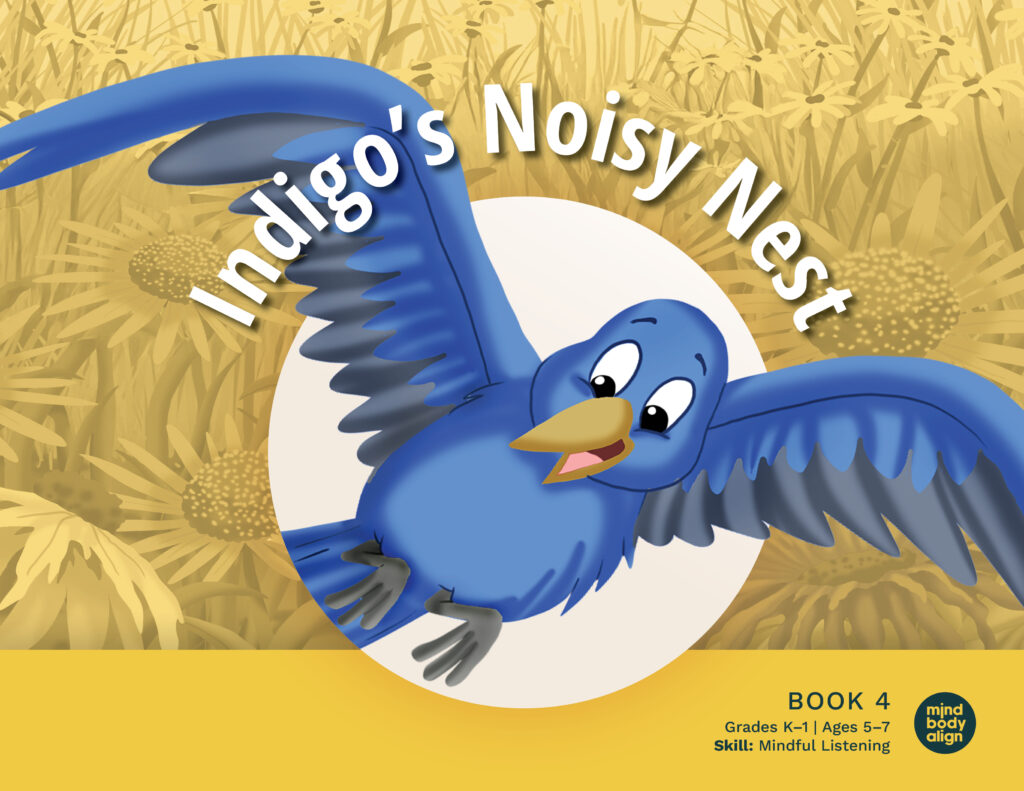
In this lesson, students explore the power of careful listening through a story about Tree, Lily, Cleo, and Oliver. They learn that listening means using their whole body—sitting still, focusing, and tuning in to the sounds around them. Through story discussion and a playful “Secret Sound Game,” students practice noticing quiet and surprising sounds. They reflect on how it feels to slow down and really listen. This lesson builds self-awareness, attention, and problem-solving skills—while encouraging curiosity and connection.
This lesson introduces students to the concept of mindful thinking—the practice of pausing, breathing, and using our senses to solve problems. Through the story they follow Lily, Cleo, and Oliver as they use their five senses—sight, sound, touch, taste, and smell—to solve a mystery. Students then practice mindful thinking by playing a concentration game. They learn that when we pause, exhale, and think, (PET) we can solve puzzles more easily and understand how using our senses helps us solve problems and make healthy choices.
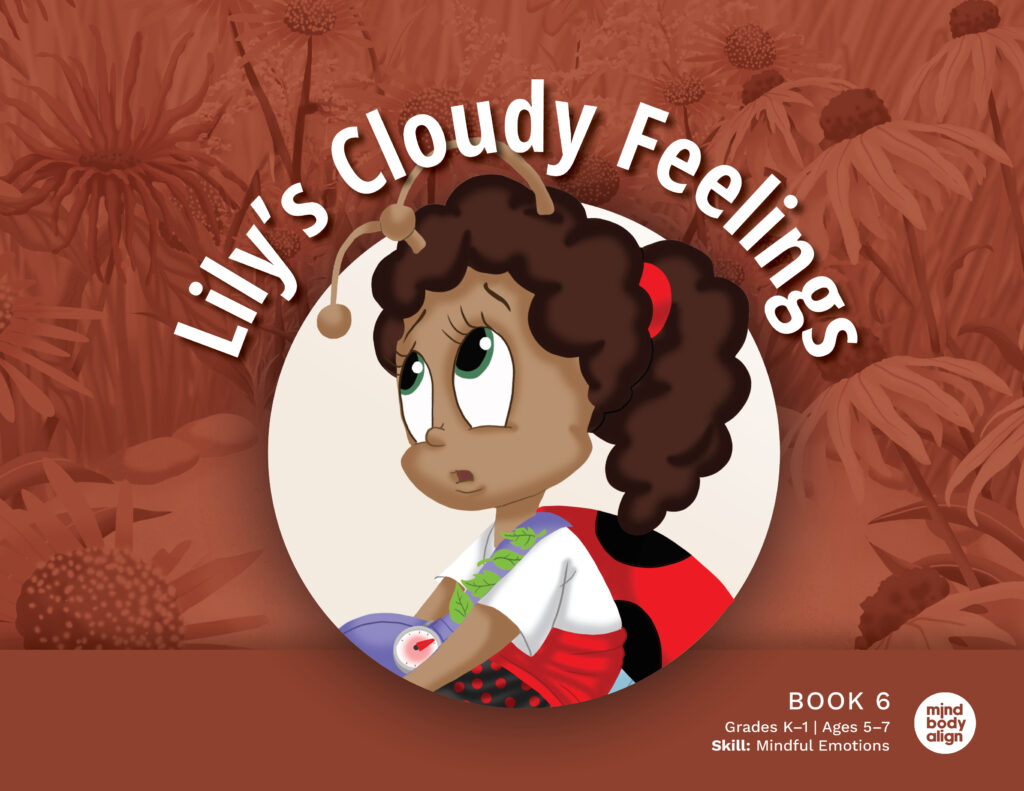
In this lesson, students learn to notice their feelings and where they show up in their bodies—like in their belly, chest, or face. Through the story, characters model how to recognize emotions and gently let them float away, like clouds in the sky, using calm breathing and imagination. Students practice naming their feelings, paying attention to body signals, and using simple tools to manage big emotions. These strategies help children build inner calm and confidence.
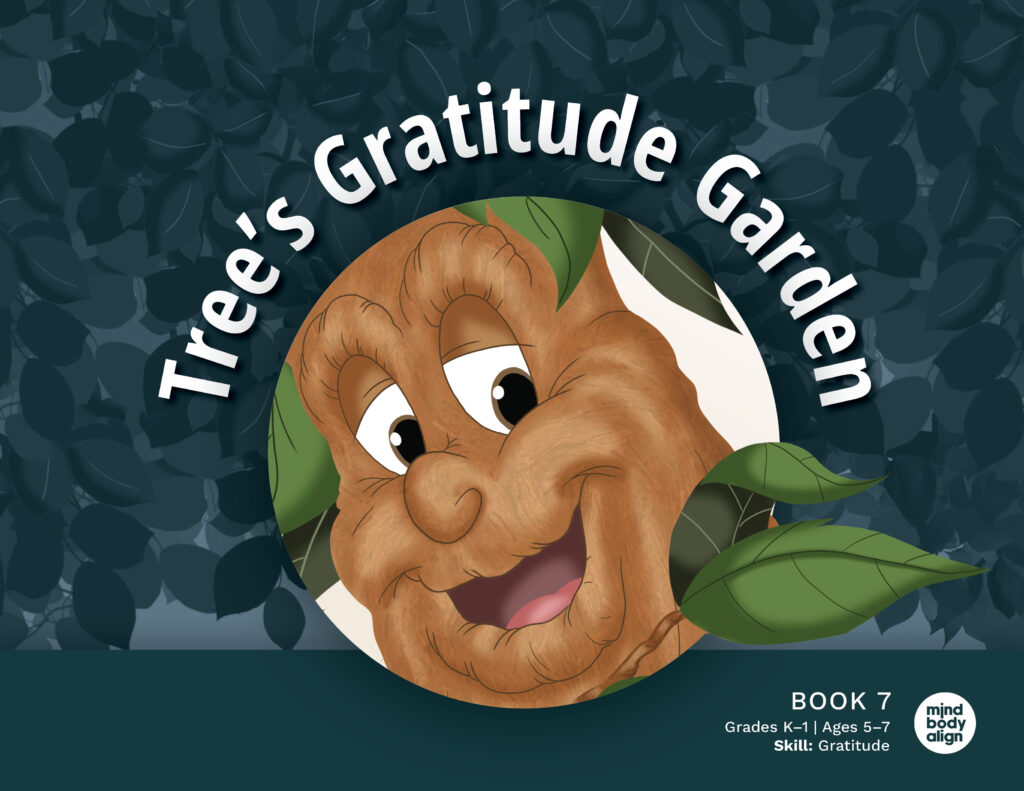
In this lesson, students explore the concept of gratitude by learning what it means, how to show it, and how it can positively impact their own emotions and the feelings of others. Students explore how they are already practicing gratitude and are encouraged to think about how they can practice gratitude daily.
In this lesson, students learn about kindness and how it makes us feel. The lesson begins with a “Kindness Bucket” full of kind actions like giving a smile or saying thank you. Students explore how small acts of kindness can make a big difference. Through a game, students take turns giving compliments to a classmate and reflecting on how it feels to give and receive kindness. The lesson ends with a discussion about the many ways we can be kind every day.
In this lesson, students explore mindful movement by learning how to move their bodies slowly, gently, and with focus. Through a calming feather exercise and the interactive “Mirror Me” game, students practice body awareness, self-regulation, and respectful partner interaction. They reflect on how mindful movement helps them feel calm, safe, and focused. The story of Oliver and his friends reinforces the idea that slowing down and paying attention can help us feel more confident and less afraid.
In this lesson, students explore empathy by identifying feelings in themselves and others. Through the story of Cleo and her friends, students notice how teasing impacts emotions and how kind actions help others feel seen and supported. They learn to use facial expressions and body language to show care and understanding, and they practice choosing kind words and actions when someone is feeling left out or hurt.
In this lesson, students learn to recognize the feeling of stress and how it shows up in their bodies. Through movement, breathing, and a story, they explore healthy ways to calm down when emotions feel too big. Students practice Bunny Breaths, a simple breathing technique, and discover that using patience and mindful movement can help them feel more in control.
In this lesson, students learned that their bodies give them clues—called body sensations—that help them understand how they feel. Through movement, breathing, and storytelling, students explore how emotions can show up in different body parts. They use a traced body outline and sticky notes to map these feelings and practice calming strategies like deep breathing. By listening to their body clues, students discover how to stay safe and calm.
In this lesson, students explore the important skill of patience through playful activities and calming strategies. Students learn and practice tools to manage impatience—like deep breathing and counting to ten. They enjoy a story that shows how patience can grow when we slow down and listen. Through hands-on experiences like waiting their turn to peek inside a surprise box and coloring with their non-dominant hand, students discover that patience is a superpower they can use every day—even at home!
In this lesson, students explore difficult or heavy feelings and how to let them go. Students are introduced to the idea that emotions can feel like items we carry in a backpack. In the story, Lily the ladybug learns to pause, breathe, and let go of frustration with the support of her friends. Students participate in an activity where they name feelings and place items in a backpack, noticing its weight. They learn that it’s okay to feel upset and that talking, breathing, and being kind to ourselves can help lighten our emotional load.
In this lesson, students explore how mindful breathing helps them feel calm and focused. In the story, Lily and her friends chase a runaway kite and feel overwhelmed. With guidance from Tree, they learn to pause and notice their breath. After the story, students place a hand on their chest or belly to practice using their breath to manage emotions and build patience and self-control.
In this lesson, students learn how to use positive self-talk to support themselves during moments of nervousness or change. Through a story about Cleo the caterpillar, students explore how kind words—both from friends and from within—can help them feel brave, strong, and calm when facing something new. An interactive song encourages children to practice phrases like “I can!” and “I’ve got this!” to build confidence.