

Beyond the Lesson: Bringing Whole Child Development Into the Moments That Matter
Years ago, during one of our Labyrinth Adventures lessons in a kindergarten classroom, a young child became overwhelmed. What began as frustration quickly escalated. A binder was thrown, materials were pulled from shelves, and several adults entered the room to help. The other children became frightened, and the classroom that had been calm only moments before suddenly felt chaotic.
Our Mind Body Align teacher recognized that while adults were supporting the child who was struggling, the rest of the class needed support, too. She began guiding the students through slow breathing. Gradually, their attention shifted. Their breathing slowed. The room began to settle.
I’ve thought about that moment many times because it illustrates something I’ve learned throughout my years as a third-grade teacher, a mother, and an educator working in whole child development: Children need more than lessons about emotional skills. They need opportunities to practice those skills when real life happens.
What Does Whole Child Development Look Like in the Classroom?
Whole child development in the classroom means supporting more than academic learning. It includes helping children build skills such as self-regulation, emotional awareness, focused attention, communication, empathy, and decision-making—and giving them opportunities to practice those skills throughout the school day, especially when real challenges arise.
The Most Important Lesson Isn’t Always on the Lesson Plan
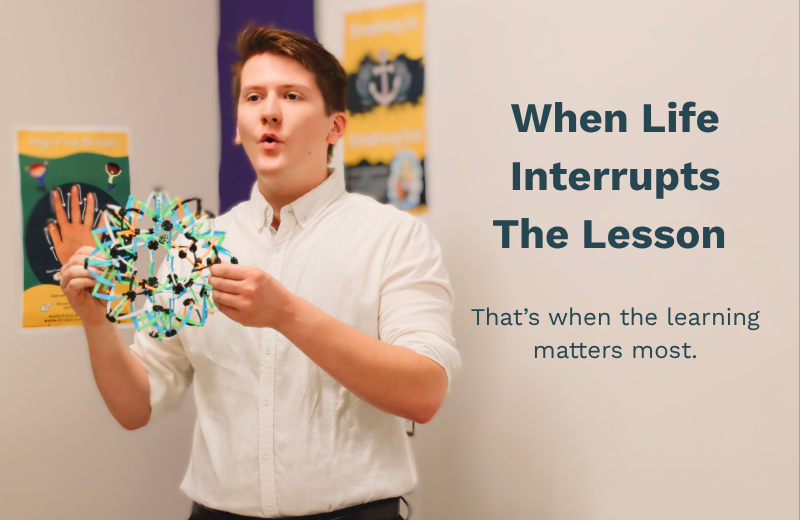
I learned this repeatedly in my third-grade classroom. I could have the most carefully planned lesson sitting on my desk, but sometimes the most important learning opportunity of the day happened when two children argued at recess, someone became frustrated with a math problem, or a student walked through my door carrying feelings from something that happened before school.
Those moments required me to ask a different question. Instead of How do I get everyone back to the lesson? I learned to think, What do these children need in order to be ready for the lesson? Sometimes they needed movement. Sometimes they needed to talk. Sometimes they needed a few slow breaths. And sometimes a child simply needed an adult to notice that something wasn’t right.
Current guidance reinforces the importance of those relationships. The CDC defines school connectedness as students feeling that adults and peers at school care about them, support them, and value their learning. Students who feel connected are more likely to have stronger attendance and academic outcomes, while supportive teacher relationships are associated with greater engagement in reading and math.
That is whole child development in action.
Children Can Learn to Recognize Their Own Signals
During the COVID era, we experienced another moment that has stayed with me. We were teaching lessons remotely. During one Zoom session, the classroom teacher briefly stepped away. Almost immediately, children began getting out of their seats, talking, and moving around the classroom. From my computer screen, there wasn’t much I could physically do. So I rang the bell. We had used that sound during previous lessons as a signal to pause, focus, and take three slow breaths. One by one, the children heard it. They stopped. They remembered. And they returned to their seats. I loved that moment because I didn’t regulate the children. They used a strategy they had practiced to begin regulating themselves. That distinction has become increasingly important in our work at Mind Body Align.
Whole Child Skills Continue Beyond the Classroom
Interestingly, I see the same skills playing out now with my college-age daughters. The problems are different, but the process isn’t. One of my girls might call after a stressful day filled with classes, deadlines, roommate issues, or simply too many things happening at once. As a mom, my first instinct is still to fix it. Have you tried this? What if you did that? Here’s what I think you should do. I’ve learned that isn’t always what they need. Sometimes I need to pause, too. Instead of immediately offering solutions, I can listen. I can ask, “Do you want me to help you think this through, or do you just need me to listen?” Those same social-emotional skills matter on the adult side of the relationship, too. Our children aren’t the only ones practicing.
5 Ways to Support Whole Child Development Throughout the School Day
Educators can support whole child development throughout the school day by checking in on emotions, creating predictable pause-and-reset routines, helping children recognize body signals, providing meaningful choices, and prioritizing supportive relationships. The greatest opportunity comes when these skills become part of the culture of a classroom.
- Begin with an emotion check-in. Ask children to notice how they’re feeling before asking them to learn.
- Create pause and reset routines. Breathing, movement, focused listening, or a sensory activity can help students transition between experiences.
- Help children to notice body signals. A tight jaw, fast heartbeat, wiggly legs, or clenched hands can provide useful information.
- Make room for student voice and choice. CDC guidance notes that giving students meaningful opportunities to make choices is associated with greater engagement and stronger feelings of school belonging.
- Prioritize relationships. Children need to know that the adults and peers around them care about them. Research on school connectedness continues to reinforce that belonging and supportive relationships matter for both well-being and learning.
The Goal Isn’t a Perfectly Calm Classroom
This may be the biggest shift in my thinking over the years. Social-emotional learning isn’t about keeping every child calm. Classrooms are filled with human beings. There will be frustration. There will be disagreements. There will be tears, excitement, disappointment, silliness, and days when nothing seems to go according to plan. Our goal is to give children tools for navigating those moments, and adults who can help them practice.
When a child learns to pause before reacting, recognize a body signal, name an emotion, ask for help, listen to a friend, or choose a strategy that helps them move forward, that is learning. And those may ultimately be some of the most important lessons we teach. Because the real measure of whole child development isn’t what children can tell us during the lesson. It’s what they can draw upon when life interrupts the lesson.
How Story-Based Learning Helps Children Practice Emotional Skills
When my sister and I created Labyrinth Adventures, we wanted children to encounter these skills through characters and situations that felt familiar.
The characters experience frustration, uncertainty, friendship challenges, racing thoughts, mistakes, and big feelings. Instead of simply telling children to “calm down,” the stories help them explore what is happening inside their minds and bodies and discover strategies they can use.
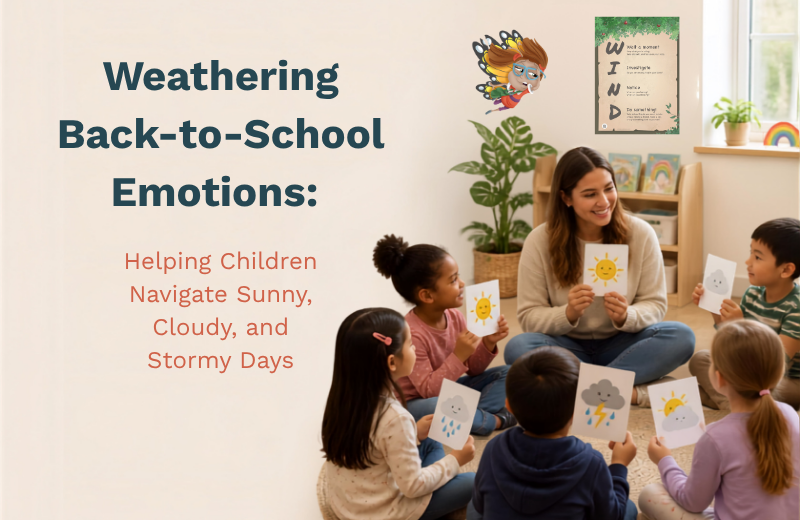
Tia, for example, learns the WIND strategy: Wait, Investigate, Notice, Do Something. That pause matters. Lily experiences cloudy feelings. Dwight explores his inner voice. Other adventures encourage children to notice their senses, listen carefully, breathe, move, communicate, and consider another person’s perspective. The goal isn’t to create children who never become frustrated, sad, worried, or angry. It’s to help children begin recognizing: Something is happening inside me. What can I do next?

Julie Braumberger Director of Education at Mind Body Align, co-authored Labyrinth Adventures and helped design its social-emotional curriculum. A certified K–8 educator with 20+ years of teaching experience, Julie now develops focus-building techniques to help students thrive. She created a widely respected school-based program to reduce stress and support emotional regulation. As a leader with SEL4OH, she regularly writes and speaks on key educational topics. Julie enjoys time with her family in Ohio, reading, walking the beach, and exploring new places.