


Listen or Download Article Audio
Helping Children Navigate Back-to-School Emotions: A Forecast for the First Weeks of School
The first month of school has always reminded me of Ohio weather. One minute, everything is sunny and calm. The next, a storm seems to roll in out of nowhere.
As a longtime third-grade teacher, I saw this every fall. A child could walk into the classroom excited and confident in the morning, become frustrated over a difficult math problem before lunch, and feel lonely after a disagreement at recess. As a mother, I’ve seen the same thing with my own children, even as they’ve grown. New classes, changing friendships, living away from home, and unfamiliar expectations can bring excitement and uncertainty, sometimes on the very same day.
After many years of teaching and parenting, I have learned that children don’t need adults to make every uncomfortable feeling disappear. They need opportunities to recognize what they’re feeling, understand that emotions change, and practice strategies for deciding what to do next.
Sunny, Cloudy, and Stormy: Helping Children Recognize That Feelings Change
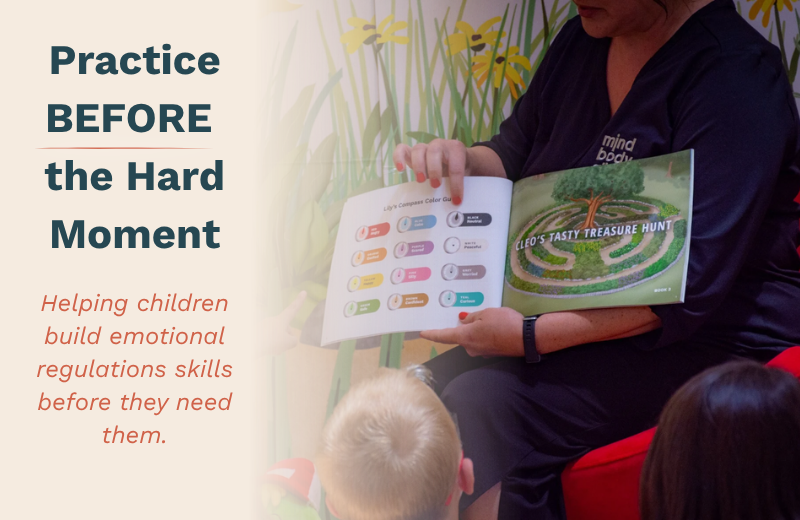
In Labyrinth Adventures, Lily experiences what she calls her “cloudy feelings.” Rather than treating those emotions as something bad that needs to disappear, the story helps children notice their feelings and understand that they can change. Clouds come and go. So do emotions.
That distinction matters, especially during the first weeks of school.
When starting a new school, my daughter told me that she was nervous about finding someone to sit with at lunch. My job wasn’t necessarily to say, “Don’t be nervous!” Nervousness wasn’t the problem. Instead, I could acknowledge the feeling and help think about what might make the situation easier.
Sometimes resilience begins with simply knowing that it’s okay to feel that way and I can decide what to do next.
Become a Feelings Meteorologist: Try an Emotion Check-In
One of my favorite ways to build this awareness is an Emotion Check-In. It takes only a few minutes and gives children language for what’s happening inside.
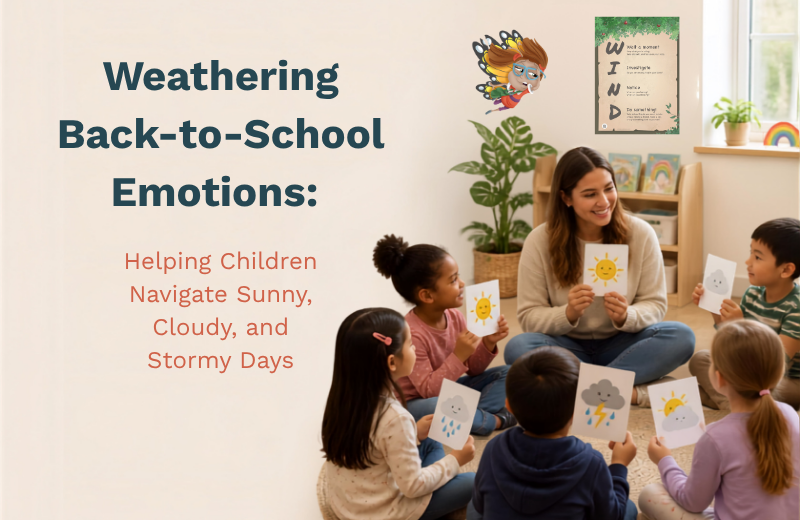
The Mood Forecast works especially well at the beginning of the school year. Ask students: If your mood were today’s weather, what would it be? One student might be sunny. Another might feel partly cloudy. Someone else may be experiencing a thunderstorm. The important part isn’t getting everyone to “sunny.” It’s noticing the weather.
Our other Emotion Check-Ins offer different ways to do this. Children can use their fingers to show their stress level with a Five Finger Check-In, choose a color that represents their feelings, imagine an animal that matches their energy, or share the blossoms, buds, and brambles from their day. Children can share or they can simply notice privately. Over time, these small check-ins build emotional vocabulary and help teachers better understand the climate in the room.
How Self-Talk Can Help Children Navigate Difficult Emotions
Sometimes the storm isn’t around us. It’s the voice inside us. In one Labyrinth Adventures story, Dwight struggles with his inner voice. Children begin to recognize something adults still struggle with. The way we talk to ourselves can influence how we approach difficult moments.
My daughters would say, “I’m terrible at math,” while doing math homework or “Nobody likes me” after one difficult day at school. Those are powerful moments to help a child pause and ask themselves questions. Is that thought completely true? What else could you tell yourself? The difficult feeling does not magically disappear, but the child learns how to move through it.
Resist the temptation to Chase Away the Clouds
As parents and teachers, our instinct is often to make children feel better. I’ve certainly felt that with my students and my own children. Whole child development isn’t about raising children who are always happy. It’s about helping children recognize their internal weather and develop tools for navigating it.
There will be sunny days, cloudy days, and occasional storms this school year.
Our job is to help children discover that they can weather it.
If you enjoyed this article, join our mailing list for practical ideas, inspiring stories, and whole child development resources created to support educators, families, and the children they serve.
We’d be honored to continue learning alongside you.
Join the Mind Body Align Community

Julie Braumberger is Director of Education at Mind Body Align, a former third-grade teacher, and co-creator of Labyrinth Adventures. She draws on her classroom experience to develop practical whole child development resources that help children build self-regulation, emotional awareness, connection, and other skills they can use in school and beyond.