



Listen or Download Article Audio
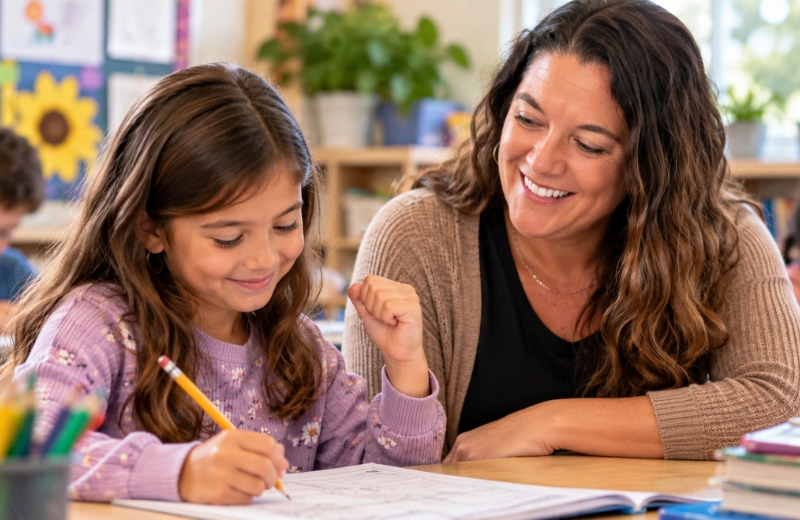
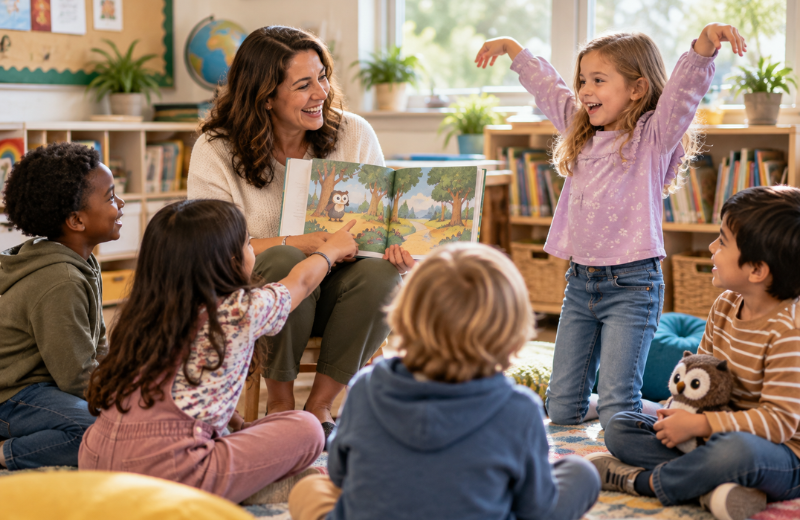
For more than 20 years in my third-grade classroom, reading aloud was part of our day. It wasn’t something I stopped doing once my students could read independently. We read together because books gave us something to wonder about, laugh about, and talk about.
Our trips to the school library were just as important. Library time felt almost sacred. My students looked forward to browsing the shelves, discovering a new series, recommending books to friends, and proudly carrying their choices back to the classroom. I wanted them to become strong readers, of course, but I also wanted them to experience books as something they could love.
That distinction matters.
What Are the Benefits of Reading Together?
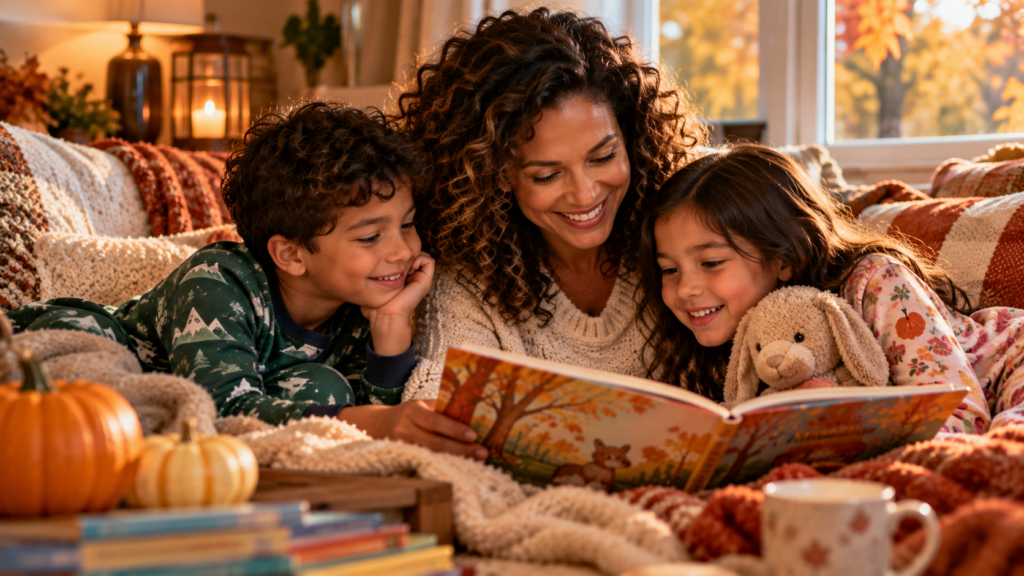
Reading together can support children’s vocabulary, comprehension, fluency, and background knowledge while also creating opportunities for connection, conversation, curiosity, and enjoyment. Shared reading can give children something to experience with another person- not simply another skill to practice on their own.
Reading Can Be a Reset
Reading supports vocabulary, comprehension, fluency, and background knowledge, but its benefits can reach beyond literacy. A predictable reading routine can also create a quieter, lower-demand moment in a child’s day. Listening to a familiar adult read, settling into a comfortable space, and focusing together on a story can help children shift from high activity toward a more settled state.
I saw this every day after lunch and recess. My third graders would return from the playground full of energy. Going directly from running, climbing, talking, and playing into academics was a difficult transition. So silent reading became a must. Children found their books, settled into their spaces, and read.
Gradually, the room changed. Bodies became quieter. Voices disappeared. Attention returned. We weren’t wasting instructional time. We were creating the conditions children needed to learn.
And read-alouds don’t have to stop when children get older. Middle school students can still enjoy the experience of listening to a good story. There is something powerful about simply getting to listen to a story without having to perform, answer questions, or prove that you understood every page.
When Reading Feels Hard
Books can also help children see that they aren’t alone when learning feels difficult. When my daughter was learning to read she had a moment when reading became frustrating and she began hitting her head with her hand. That physical reaction told me something important: the challenge was no longer only about decoding words. She was frustrated, and I could see that frustration showing up in her body. That’s a moment adults can notice rather than rush past.
Instead of focusing only on, “Can you read this word?” we can also wonder, “What is happening inside you right now? What could help you keep going?”
A child might need to pause, take a breath, hear the adult read a page, read together, or simply be reminded that learning something new can take time.
Reading provides a natural place to practice those same skills.
Read With Children, Not Just to Them
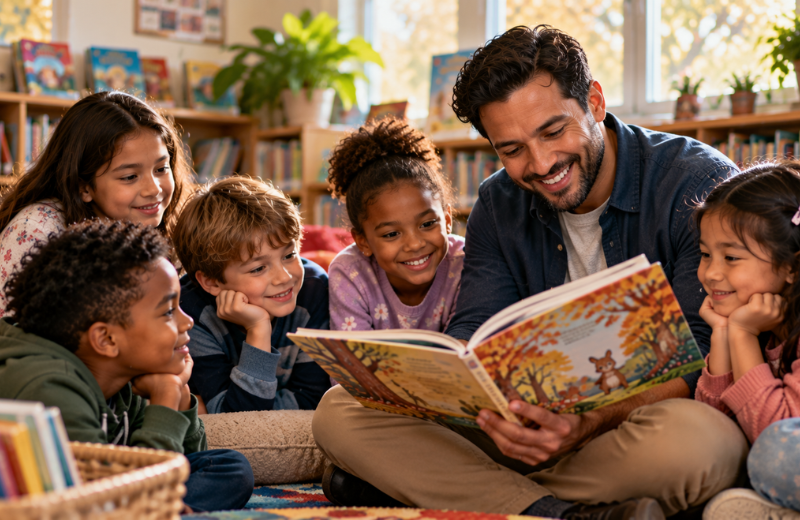
Parents, teachers, and librarians can make reading a place for connection without turning every story into a lesson. Pause occasionally and wonder together.
Questions to Ask While Reading Together
- How do you think the character feels?
- What did you notice?
- What would you do?
- What might help?
Children don’t need a comprehension quiz after every book. Sometimes the most meaningful response is a laugh, a question, a connection to their own life, or “Read it again!” And don’t stop reading aloud simply because a child can read independently. Independent reading and shared reading serve different purposes. Children need opportunities to build their own reading lives, but they also benefit from experiencing stories alongside someone else.
Should You Keep Reading Aloud After a Child Can Read Independently?
Yes. Independent reading and shared reading serve different purposes. Children can practice their own reading skills while still enjoying the language, conversation, connection, and shared experience that come from listening to someone else read.
Protect the Time
Families: ten quiet minutes before bed.
Teachers: independent reading after recess or lunch.
Libraries: welcoming storytimes with voices, movement and conversation.
The format matters less than making the time.
I wanted my third graders to leave my classroom as stronger readers. But I also wanted them to leave believing that books belonged to them, that the library was somewhere they wanted to go, that stories could help them understand themselves and other people, and that reading could offer both adventure and a place to calm their mind and body.
Literacy matters enormously. And also, when we read together, we are building something alongside it: connection, curiosity, confidence, and a relationship with books that can last long after children leave our classrooms, libraries, and laps.
Check out our other articles on this topic:
7 Storytime Strategies That Keep Even the Most Energetic Children Engaged
Meaningful Family Conversations After Storytime

Julie Braumberger is Director of Education at Mind Body Align, a former third-grade teacher, and co-creator of Labyrinth Adventures. She draws on her classroom experience to develop practical whole child development resources that help children build self-regulation, emotional awareness, connection, and other skills they can use in school and beyond.