



Listen or Download Article Audio
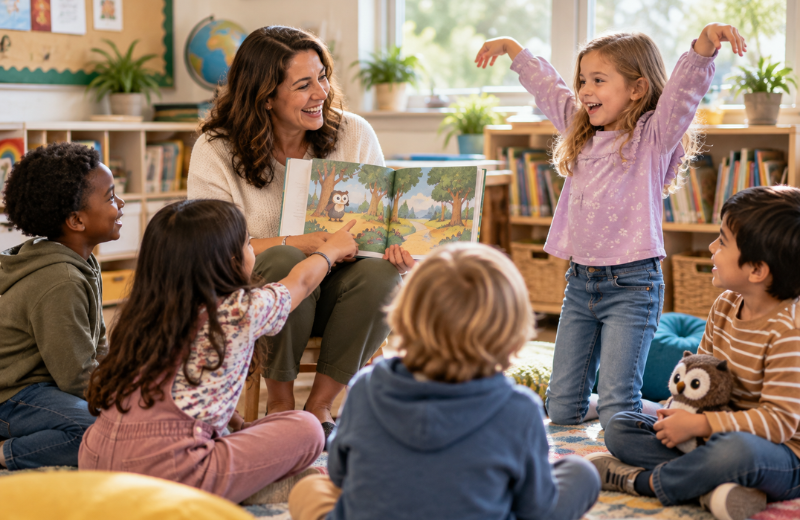
As an educator and mom to two college-aged kids who grew up in classrooms filled with music, I’ve seen how powerful music can be in creating a calm, focused learning environment. When used mindfully, music transforms from background noise into a tool to regulate emotions, foster connection, and enhance academic focus.
My journey with mindful music began at home when my daughter played loud music to help her focus on homework. Initially, I thought it was a distraction, but her insistence led me to research the connection between music and the brain. This exploration soon influenced my teaching. Today, music is one of my favorite ways to support self-regulation, focus, and emotional well-being in classrooms of all ages.
What is Mindful Music in the Classroom?
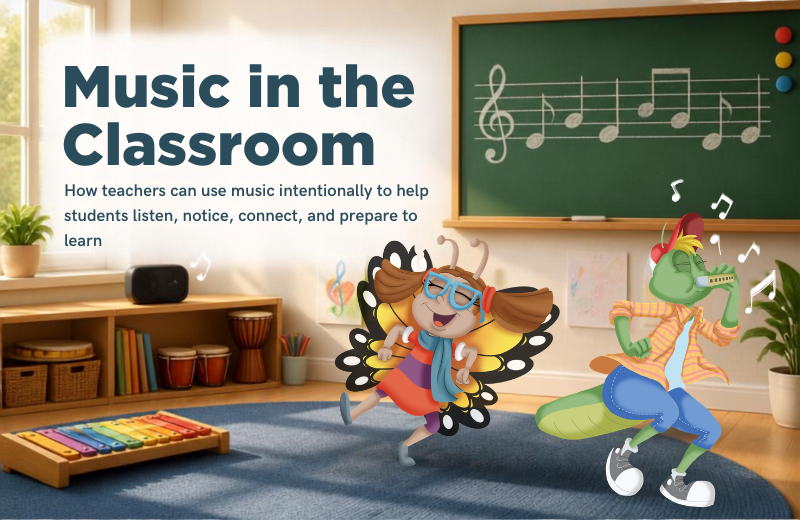
Mindful music means using music intentionally rather than simply as background sound. Teachers can use music to support classroom transitions, encourage focused listening, explore emotions, create opportunities to reset, or help students notice how different sounds affect their energy, attention, and feelings.
How can Music Support Focus and Emotional Regulation?
Music naturally taps into emotions and physical sensations. The right music may influence our mood and energy, and research suggests that background music can sometimes support learning and cognitive performance. But the effects aren’t universal. Research reviews have found that how music affects us can depend on the type of music, the task we’re doing, and even the individual listener.
That’s one reason I think the most valuable classroom lesson isn’t simply, Music helps you focus. It’s helping students become curious about a different question:
- What happens to me when I listen to this?
- Does the music help me settle?
- Does it energize me?
- Is it distracting?
- Does it make it easier or harder to concentrate?
Teaching students to notice how music affects their minds and bodies turns listening into an opportunity to build self-awareness and self-regulation.
5 Ways to Use Music in the Classroom
1. Use Music to Start the School Day
Play a calming or welcoming instrumental track as students arrive. Invite them to notice what they hear or how the music affects their energy.
2. Listen to Music After Recess or High-Energy Activities
Use a brief piece of music as part of the transition back into learning. Students can listen, breathe, stretch or simply notice how their bodies feel.
3. Experiment With Music During Independent Work
Experiment with gentle, wordless music during appropriate independent tasks and invite students to notice whether it helps or distracts them. Music affects individuals differently, so the goal is awareness rather than assuming one type of music works for everyone.
4. Explore Emotions Through Music
Use our Spotify Playlist with the Mood Match Game.
Have students listen and ask:
- What emotion does this music bring to mind?
- What do you notice in your body?
- Does the music feel calm, energetic, tense, playful or something else?
- What about the music makes you think that?
5. Give Students Choices
Allow students to help choose appropriate music for drawing, brainstorming, movement or other activities.
Using Music to Build Emotional Awareness
In our curriculum, Labyrinth Adventures, we include activities like the Mood Match Game, where students identify emotions in music, build emotional awareness. Pairing slow, soothing tracks with deep breathing exercises helps calm the nervous system and promote focus.
Music Can Become a Tool Beyond the Classroom
When my daughter called from college feeling overwhelmed, I suggested creating a playlist she could turn to when she needed to pause or reset. She included songs from her elementary school days. I loved that. The situations she faces are very different now, but the skill underneath is the same: noticing what you’re experiencing and knowing what tools might help.
If you’re new to mindful music, start small with short sessions during transitions or after high-energy activities. Involve students by letting them suggest tracks and describe how the music makes them feel. Choose high-quality, wordless tracks designed for relaxation or study, and make mindful music a consistent part of the routine.
In a noisy, distracted world, teaching kids to slow down and listen mindfully is a gift. Music becomes more than a background sound—it’s a tool for self-awareness, emotional regulation, and connection. Reflecting on homework sessions and playlists, I’m reminded that small practices grow into habits that enrich every stage of life. Whether in the classroom or at home, mindful music brings calm, connection, and joy. So, put on a track, take a deep breath, and listen—sometimes, the music says it all.
If you enjoyed this article, join our mailing list for practical ideas, inspiring stories, and whole child development resources created to support educators, families, and the children they serve.
We’d be honored to continue learning alongside you.
Join the Mind Body Align Community

Julie Braumberger is Director of Education at Mind Body Align, a former third-grade teacher, and co-creator of Labyrinth Adventures. She draws on her classroom experience to develop practical whole child development resources that help children build self-regulation, emotional awareness, connection, and other skills they can use in school and beyond.