


Listen or Download Article Audio
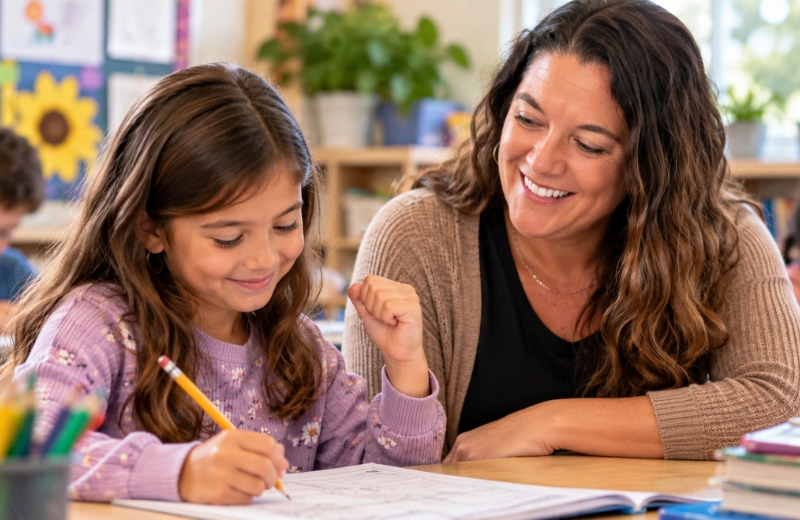
If you ask me what the most exciting day of the year was in my third grade classroom, I wouldn’t say the last day of school. I wouldn’t even say Christmas.
It was Halloween.
The excitement started long before October 31. By the time Halloween arrived, my students had talked about costumes, candy, parties, trick-or-treating, and decorations for weeks. On party day, you could feel the energy (and smell the sugar) when you walked into the classroom.
And I understood it, because my own children were exactly the same way.
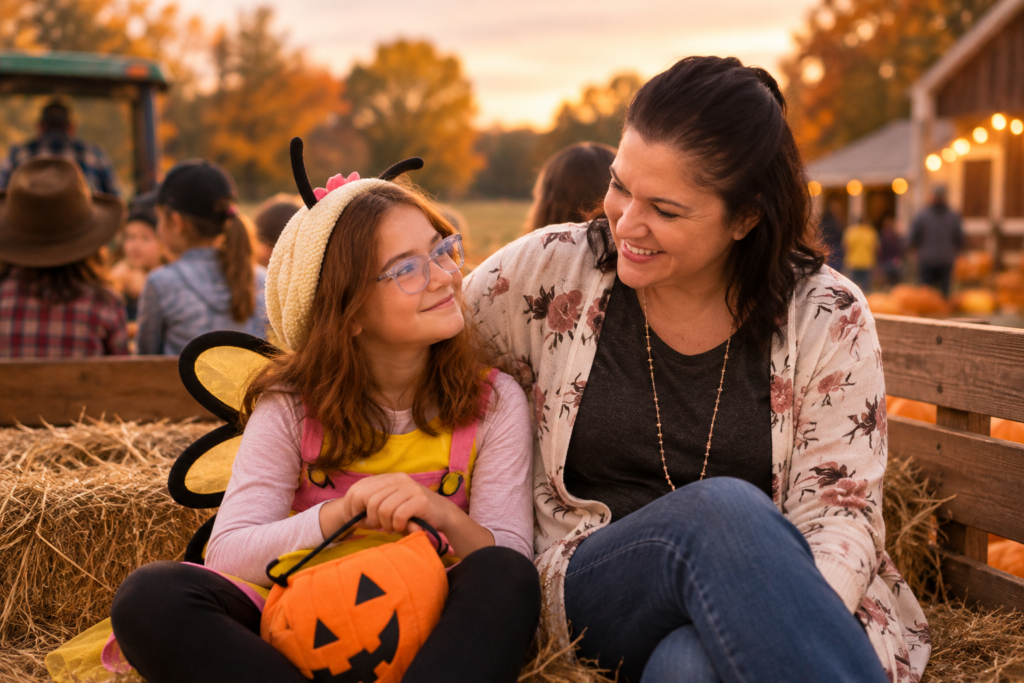
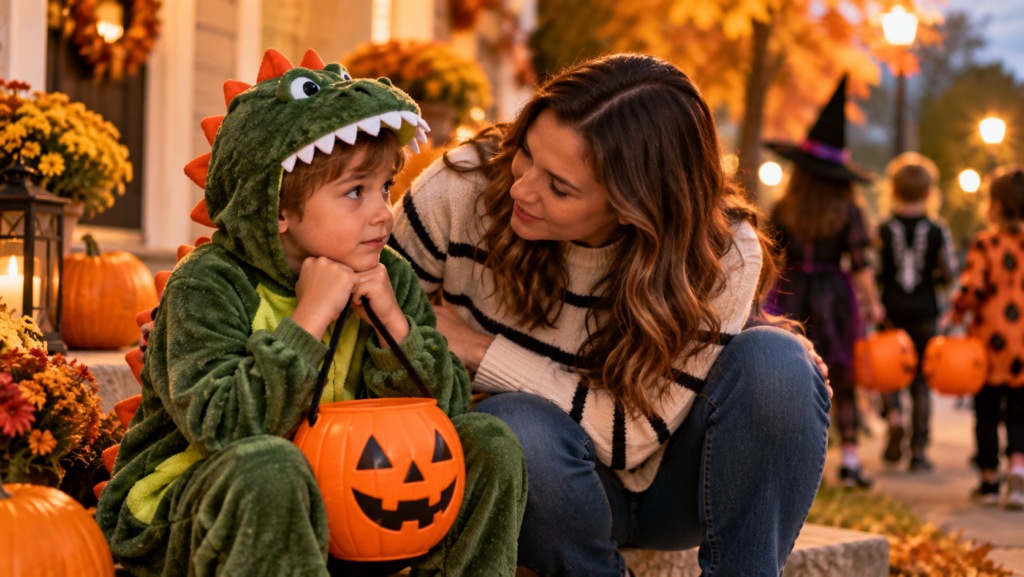
My daughters planned their Halloween costumes months in advance. There were discussions, changes of mind, searches for the perfect pieces, and plenty of anticipation. They’re in college now, and Halloween still matters!
In fact, when I was planning a visit with my daughter, who attends college in Ireland, one of her requests was for me to bring Halloween treats she couldn’t get there. In August. Some traditions stick with us.
But as a teacher, I also learned that all that excitement comes with big emotions.
Why Can Halloween Feel Overwhelming for Children?
Halloween can be overwhelming for children because it combines excitement, anticipation, noise, costumes, crowds, unfamiliar sights, scary decorations, disrupted routines, and strong emotions. Helping children notice what they are feeling and choose a strategy can make the experience feel more manageable.
When Excitement Becomes Overwhelming
Our classroom Halloween parties were some of my favorite memories. There were costumes, games, treats, laughter, and children who could hardly contain their excitement.
There were also children who became overwhelmed.
A child who had been looking forward to the party all week might suddenly become upset. Someone might be disappointed because a game didn’t go their way. Another child might struggle with the noise and activity. Costumes could be itchy, masks uncomfortable, and waiting for treats is incredibly hard when you’re eight years old.
And underneath all that excitement, there could be other emotions, too.
Halloween often includes spooky sights, sounds, and surprises. Ghost stories, dark rooms, masks, skeletons, strange noises, and surprises can be great fun for one child and genuinely frightening for another.
That’s where Halloween can give families an opportunity to talk about self-regulation.
How Self-Regulation Can Help With Halloween Fear
When we’re scared, excited, nervous, or overwhelmed, we can help children learn to notice what is happening in their bodies and choose something that helps.
- take a slow breath
- move closer to a trusted adult
- take a break
- say “I don’t want to do that”
Our Mind Body Align article, Spooky Stories: How Self-Regulation Helps When We’re Scared, explores this connection between those spooky moments and the skills children can use when they feel scared.
Stories can help us practice these skills, too. Labyrinth Adventures stories such as Cleo the Brave give children a safe way to explore what happens when something feels scary or uncertain. Being brave doesn’t have to mean that you’re no longer afraid. Sometimes being brave means recognizing the feeling, taking a breath, asking for help, or deciding you’re not ready yet.
Remember That Halloween Isn’t the Same for Every Child
There’s another side of Halloween that deserves our attention. Not every child gets a costume. Not every neighborhood is a safe or practical place for trick-or-treating. Some families may not have extra money for costumes, decorations, or bags of candy. Other families don’t celebrate Halloween at all.
Children notice these differences.
When classmates are talking excitedly about elaborate costumes and overflowing candy buckets, a child who isn’t participating may be carrying some very different emotions.
As parents, grandparents, teachers, and neighbors, we can help by being thoughtful about the questions we ask. Instead of assuming, “What are you going to be for Halloween?” we can leave room for children to share, or not share their plans.
We can also look for ways to make community and classroom celebrations welcoming without making a purchased costume the price of admission.
Make Room for All the Feelings
Halloween is supposed to be fun, but fun doesn’t mean children will be happy every minute.
They may be excited and nervous. Happy and overwhelmed. Brave and scared. Grateful and disappointed. Sometimes all within an hour.
That’s okay.
Before heading to a party or out for the evening, give children a few simple tools they can use when their emotions get big. Take a slow breath together. Remind them they can ask for a break. Let them know it’s okay to skip the scary house, take off the uncomfortable mask, or stay close to a trusted adult.
Most importantly, listen.
Years from now, children probably won’t remember exactly how much candy was in their bucket. But they may remember the costume they couldn’t wait to wear, the traditions their family created, the laughter, the anticipation, and the people who made an exciting, and sometimes overwhelming, day feel safe.
After all, Halloween isn’t just about costumes and candy.
For children, it’s a day filled with very big feelings.

Julie Braumberger is Director of Education at Mind Body Align, a former third-grade teacher, and co-creator of Labyrinth Adventures. She draws on her classroom experience to develop practical whole child development resources that help children build self-regulation, emotional awareness, connection, and other skills they can use in school and beyond.